
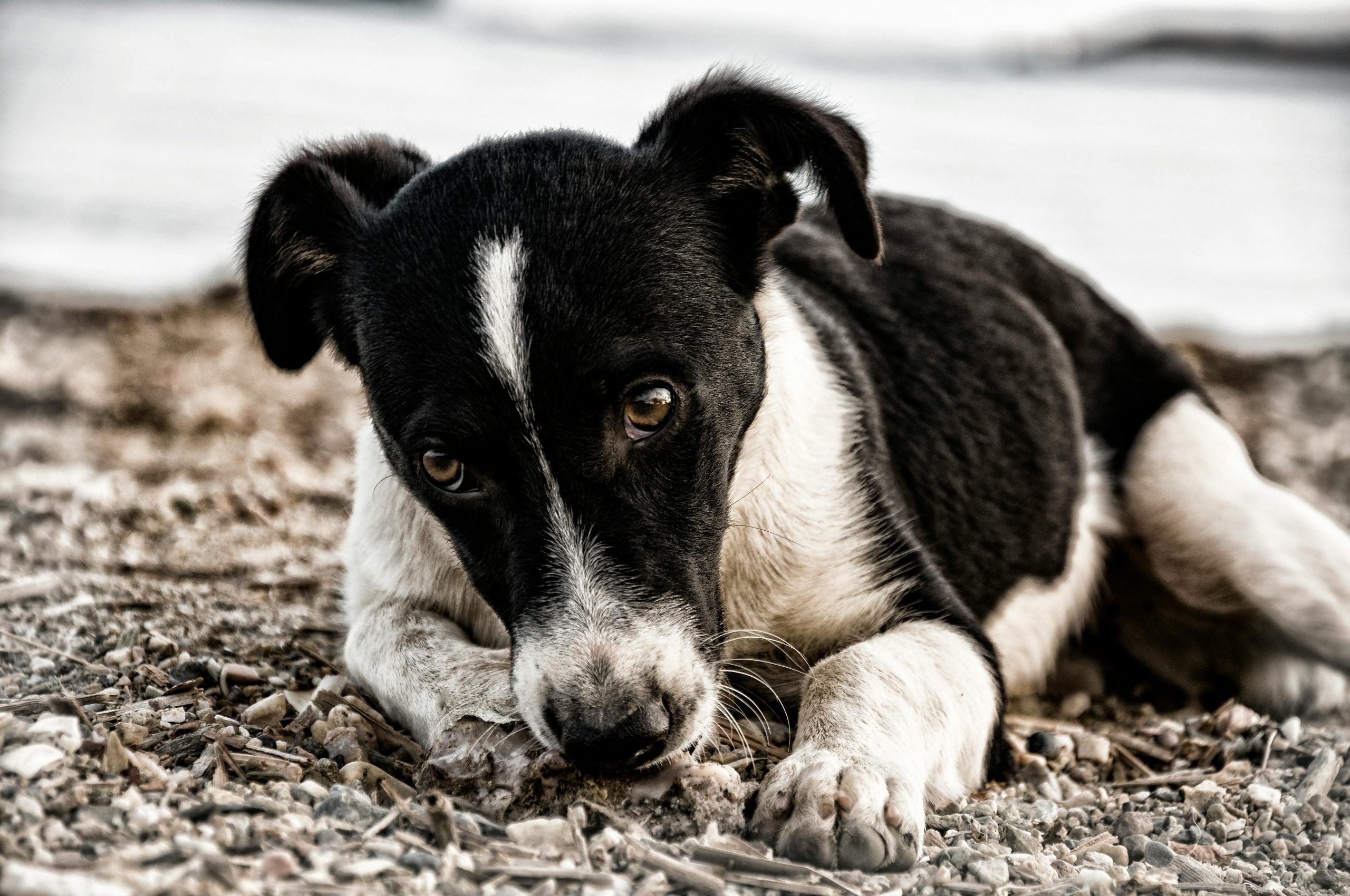
Decoding Doggie Dialogue: Understanding Dog Body Language
Dogs, our faithful companions, communicate with us in more ways than just barking or wagging their tails. Their body language is a rich tapestry of signals that convey their emotions, needs, and intentions. Understanding these cues can deepen the bond between you and your furry friend while also preventing misunderstandings and conflicts. So, let’s delve into the fascinating world of canine body language and learn how to decipher what our four-legged pals are telling us.
- Tail Talk: A dog’s tail is one of the most expressive parts of its body. While a wagging tail often signifies happiness or excitement, the position and speed of the wag can convey different meanings. A high, fast wag usually indicates enthusiasm, while a low, slow wag might signal uncertainty or insecurity. A tucked tail suggests fear or submission, while a rigid, raised tail may indicate aggression or alertness. It’s important to be able to read all other body language that a dog may display and not just rely on a dog’s tail to depict how a dog is feeling and what it is trying to communicate to you as some may not have a tail, a stumpy tail, or curled tail which can make it impossible to read if you are simply relying on the tail.
- Ears Speak Volumes: Pay attention to your dog’s ears, as they can reveal a lot about their mood. Perked-up ears signify attentiveness or curiosity, while flattened ears signal fear, anxiety, or submission. If you see a dog with its ears pulled back tightly against their head, it could indicate discomfort or aggression. Ears facing forward can indicate that a dog is ready to attack but you will sometimes see this when a dog is eagerly waiting for you to throw their favourite toy for them to chase. Given all the different shapes and sizes of dogs’ ears, some can be easier to read than others; for example, a dog with floppy ears will of course not be able to perk their ears or pull their ears tightly against their head.
- Eyes Are Windows to the Soul: The eyes of a dog can convey a range of emotions. Dilated pupils may indicate excitement or fear, while narrowed eyes could signal aggression or concentration. Soft, relaxed eyes usually indicate a calm and contented pup, while wide, staring eyes might suggest alertness or aggression. Whale eyes, which is when a dog displays the whites under their eyes, can mean that a dog is feeling fear, stress, or anxiety. If a dog avoids eye contact altogether, it is important to stop your interaction with that dog and or give it space as this is generally a pre warning that the dog is not approving of what is going on which when ignored often can lead to the dog biting. When humans interact with one another they will generally stare at each other as a sign of acknowledgement and respect, however in a dog’s world this is considered disrespectful and can come across as threatening.
- Posture Matters: A dog’s overall posture can provide valuable insights into its state of mind. A relaxed, loose posture with a wagging tail usually indicates a happy and confident dog. On the other hand, a tense body, with raised hackles and a stiff stance, may signify fear, aggression, or defensiveness. A dog that is leaning forward and standing completely still can also signify fear, aggression, or defensiveness. Dogs that are crouched down closely towards the ground are usually displaying fear, anxiety, or stress. Dogs that are crouched down on their front paws but their rear raised often are excited, focused, and ready to play. Pay attention to subtle changes in posture, as they can indicate shifts in mood or intention.
- Facial Expressions: Just like humans, dogs have facial expressions that convey their emotions. A relaxed, open mouth with a slightly lolling tongue usually indicates a happy and contented dog. Snarling, baring teeth, or wrinkling the nose are signs of aggression or discomfort. Yawning can be a sign of stress or anxiety, especially if it occurs out of context. Excessive lip licking or licking the air are often signs of anxiety, stress, or discomfort.
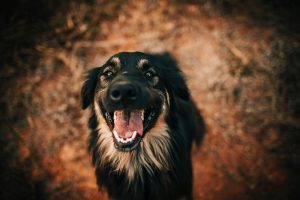
Soft eye expression, relaxed slightly open mouth, relaxed ears, relaxed body. Would you agree that this dog looks happy?

Squinting eyes, ears are pulled back close to the dog’s head, body is leaning forward, and of course the scrunched up nose and bearing teeth. I think we should back away from this dog.
Now that we’ve covered the basics of canine body language, let’s explore how a dog’s mood can change quickly and how to recognise these shifts:
- Signs of Stress: Dogs can experience stress in various situations, such as encountering unfamiliar people or animals, being in noisy environments, or experiencing physical discomfort. Signs of stress include panting, pacing, drooling, trembling, lip licking, and yawning. If you notice these signs, try to remove your dog from the stressful situation and provide comfort and reassurance. In some cases, this may also be an indication to stop your interaction with the dog and give it space, feelings of stress can often lead to the dog lashing out and biting.
- Fear and Anxiety: Dogs may become fearful or anxious due to loud noises, unfamiliar surroundings, or past traumatic experiences. Signs of fear and anxiety include cowering, hiding, whining, trembling, avoiding eye contact, and tail tucking. It’s essential to be patient and understanding with a fearful dog, avoiding forcing them into situations that make them uncomfortable. A dog experiencing fear or anxiety will often resort to fight or flight, which means the dog will try and remove itself from the situation or become aggressive and try and fight the situation or those nearby.
- Aggression: Aggression in dogs can stem from various factors, including fear, anxiety, stress, physical pain or illness, territoriality, or resource guarding. Signs of aggression include growling, snarling, baring teeth, stiffening of the body, and lunging. It’s crucial to remove yourself and others safely from a dog that is displaying aggression, give the dog space and time to calm down. If this is your own dog it will be beneficial to seek advice from your veterinarian to eliminate potential underlying causes, after ruling out these potential causes it may be necessary to make an appointment with a professional trainer/behaviourist to help manage and address this behaviour.
- Happiness and Contentment: When a dog is happy and content, they exhibit relaxed body language, such as loose, wagging tails, soft eyes, and a relaxed posture, play bows, excited vocalisations. They may also engage in playful behaviour, such as offering you their favourite toy or zoomies. It’s important to nurture these positive emotions by providing love, attention, and enrichment activities for your dog.
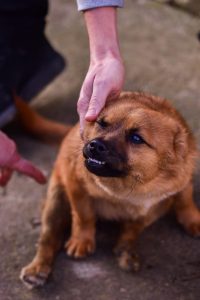

[Photo on the Left] This dog clearly looks unsure and possibly a little fearful about being petted and I’d probably stop and give it some space. The ears are pinned back and close to its head, tight mouth and slightly showing teeth, squinting eyes, and the dog almost looks like it is trying to back away.
[Photo on the right] This photo erks me and I can see a potential dog bite here, don’t let the lady’s smile fool you, look closely at the dog. The dog is clearly trying to pull its head away (remove itself), squinting stressed looking eyes, closed mouth, and how its nose looks to be scrunched up? Lady, stop what you are doing! If you keep ignoring this dog’s warning signals, I’m afraid that you will get bitten!
In conclusion, understanding your dog’s body language is essential for building a strong and trusting relationship with them. This is also important when interacting or coming across an unfamiliar dog. By paying attention to their tail, ears, eyes, posture, and facial expressions, context, situation and or circumstances you can gain valuable insights into their emotions and needs. Remember to be patient, empathetic, and responsive to your dog’s signals, and you’ll foster a deep and lasting bond with your canine companion.
This is a vast topic, and I feel I could write an entire book on dog body language. While this guide may not cover everything, it should provide you with a solid understanding and useful tools to better interpret what dogs are trying to communicate.